
Debug out loud without guessing wildly
A debugging interview is an opportunity to show how you reduce uncertainty. The strongest next step is often a precise check rather than an immediate fix.

State what you actually know
Start with the observed behavior and the expected behavior. A request timing out is an observation; a database problem is a hypothesis. Keeping those separate prevents your first guess from controlling the investigation.
Ask about the scope: every request or a subset, one region or all regions, a recent release or a longer-running issue. Each answer narrows the search.
Start with the highest-risk path, add integration coverage, then release behind a flag.
Choose a check that distinguishes causes
If both an upstream timeout and a slow query could explain the failure, inspect timing at the boundary between them. Explain what each possible result would mean before proposing the next action.
In a coding exercise, create the smallest input that reproduces the bug. Walk through the relevant state change and test your proposed correction against that input.
Observation, hypothesis, experiment, result. Keep each step visible.
Verify the fix and its neighbors
A passing example is the beginning of verification. Check an empty input, a boundary value, or a repeated request where those cases matter to the bug.
MOG may offer a useful hypothesis during the discussion. Treat it as something to test. Explain the evidence that supports your final answer and the uncertainty that remains.
More from the MOG journal

Technical interviews
Give your system design answer a backbone
Turn an open-ended architecture prompt into requirements, a first design, and explicit trade-offs.
Read article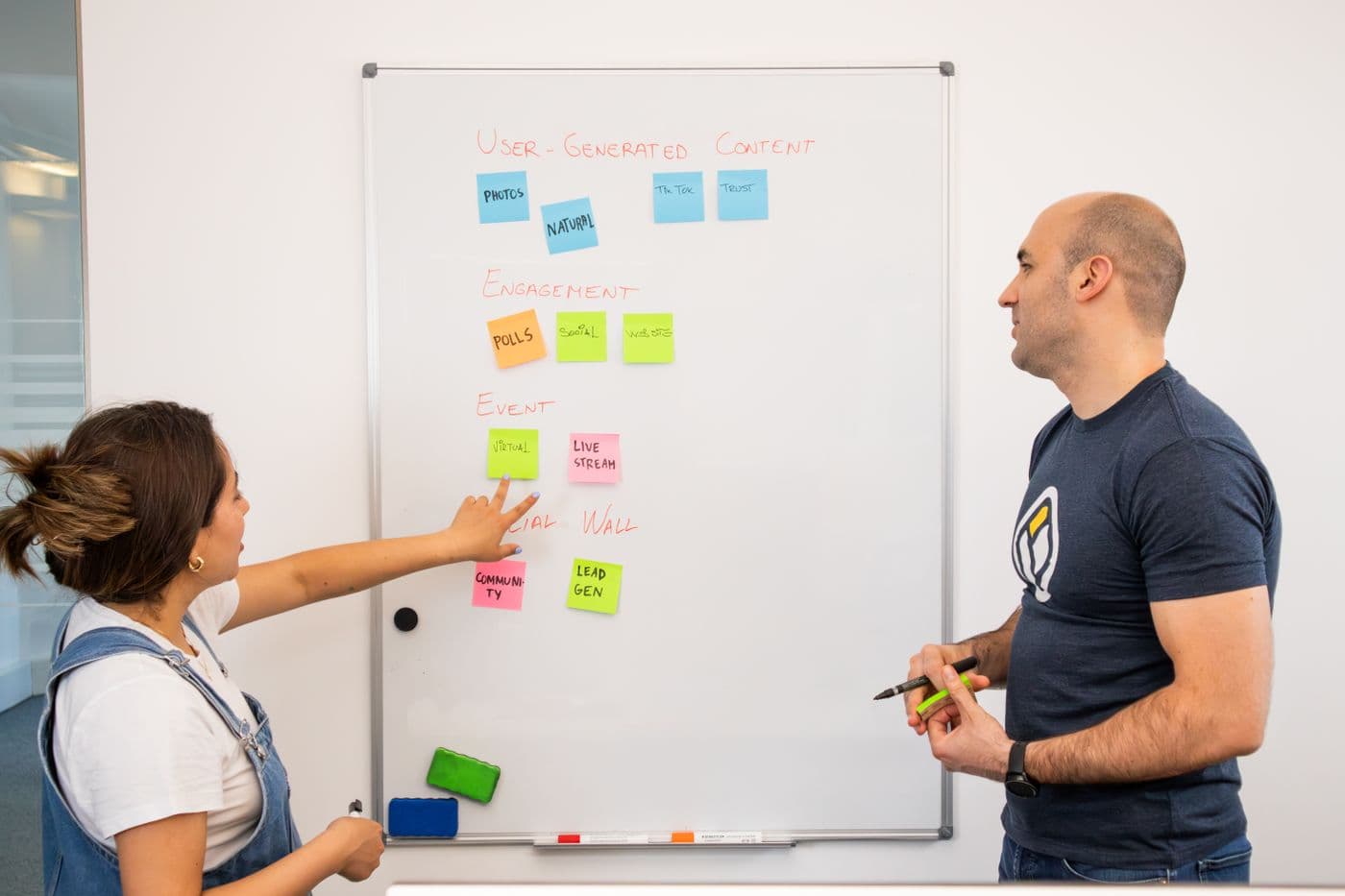
Interview strategy
Tell the project story only you can tell
Explain your contribution with a decision, evidence, and an honest account of the outcome.
Read article
Interview strategy
When the question takes an unexpected turn
A practical way to recover context, structure your thinking, and answer before the moment passes.
Read article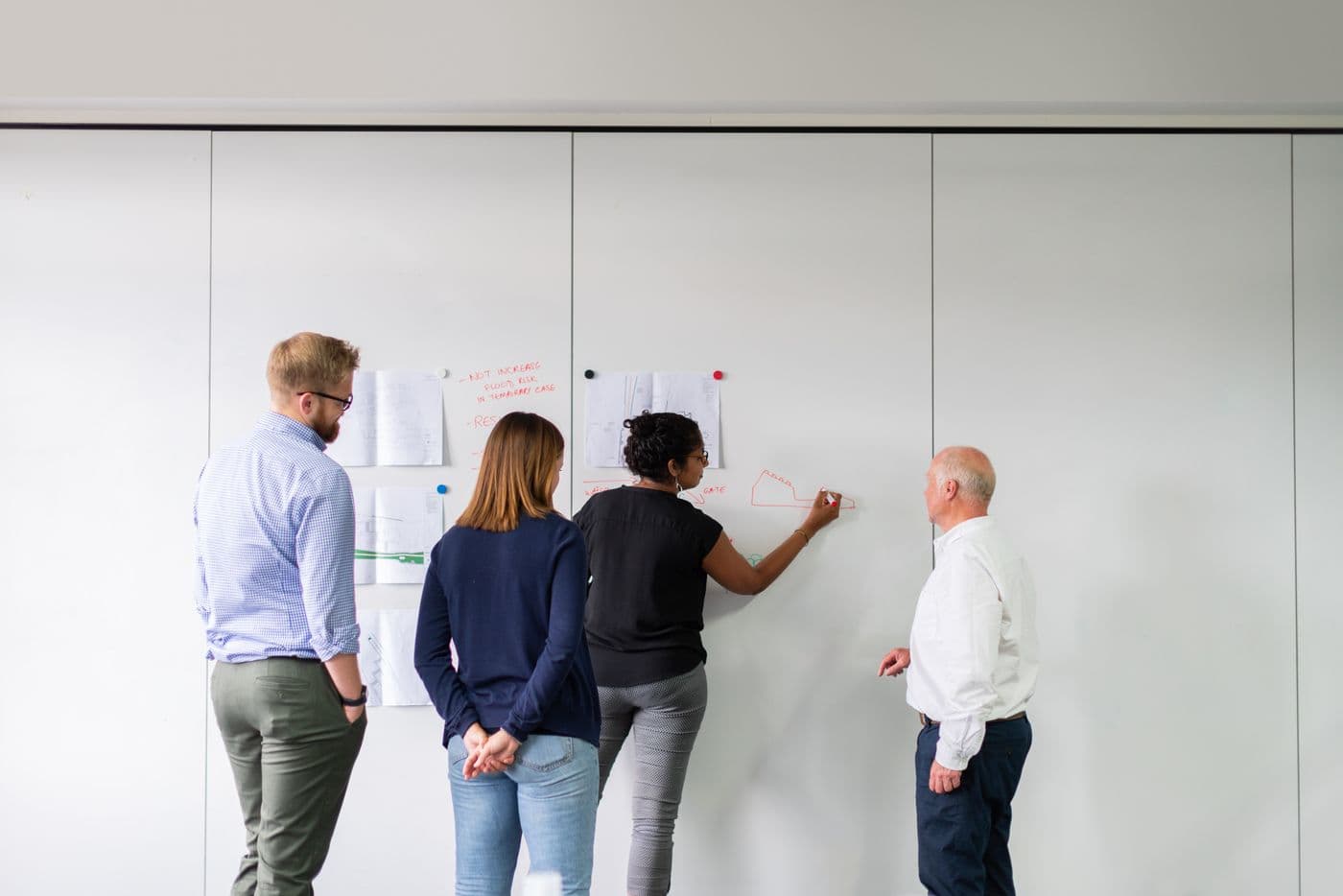
Panel interviews
Keep the thread when the whole panel joins in
Handle changing speakers and layered follow-ups without losing the question you are answering.
Read article
Inside MOG
The interviewer sees you, not MOG
How MOG keeps real-time interview assistance outside the screen you share.
Read article
Privacy and control
You decide when MOG listens
The controls that make private interview assistance understandable before, during, and after a call.
Read article
Getting started
Before your next interview, get MOG ready
A calm preparation routine for audio, screen sharing, context, and a short practice question.
Read article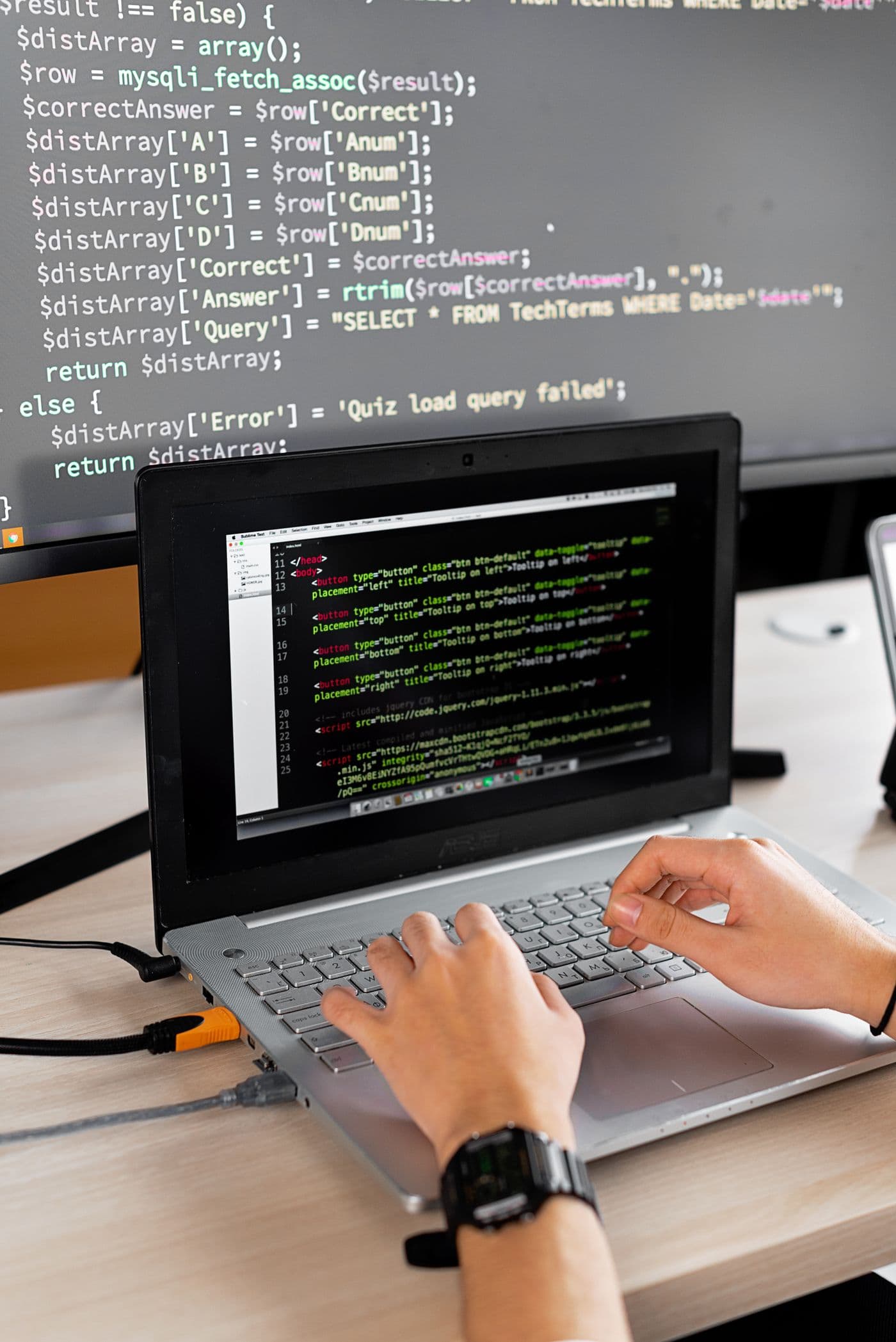
Getting started
Rehearse the screen you plan to share
A practical walkthrough for your editor, meeting window, and private assistance before the call starts.
Read article
After the interview
Turn a difficult interview into useful practice
Review the questions, identify one gap, and build a focused practice session from what happened.
Read article