
When the question takes an unexpected turn
The hardest interview questions are often follow-ups. MOG listens to the thread behind them and prepares a useful structure while the conversation is still moving.

A follow-up is rarely a completely new question
When an interviewer changes direction, the new question usually tests something already present in the conversation: a trade-off you mentioned, a failure mode you skipped, or an assumption they want you to defend.
MOG keeps that thread available. Instead of reacting to the final sentence alone, it can use the surrounding exchange to prepare a response that fits what the panel is actually probing.
Start with the highest-risk path, add integration coverage, then release behind a flag.
Start with a structure you can own
A strong answer does not need to be long. State the decision, name the most important reason, and explain the trade-off. If the question asks for a process, describe the first action, the evidence you would inspect, and the condition that would change your plan.
MOG can surface that shape quickly. You decide which details are true for your experience and how to express them in your own voice.
Decision. Reason. Trade-off. A clear answer can begin with three anchors.
Keep listening after the answer appears
The panel may clarify the question while you are preparing to speak. Stay attentive to those final words. They often reveal whether the interviewer wants implementation detail, strategic judgment, or evidence from your past work.
Use MOG as a working prompt, then respond to the person in front of you. The conversation remains the source of truth.
More from the MOG journal
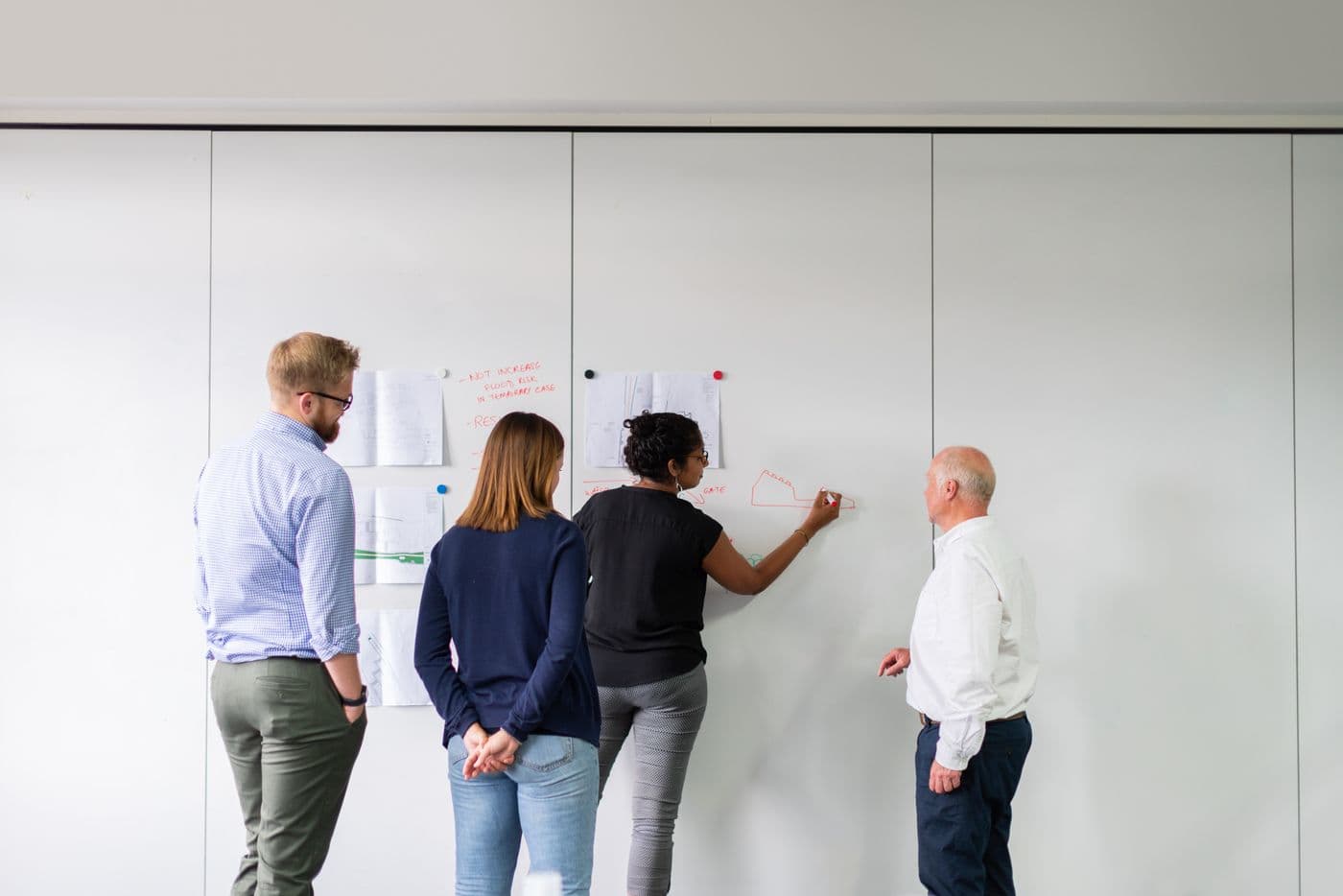
Panel interviews
Keep the thread when the whole panel joins in
Handle changing speakers and layered follow-ups without losing the question you are answering.
Read article
Interview strategy
Tell the project story only you can tell
Explain your contribution with a decision, evidence, and an honest account of the outcome.
Read article
Inside MOG
The interviewer sees you, not MOG
How MOG keeps real-time interview assistance outside the screen you share.
Read article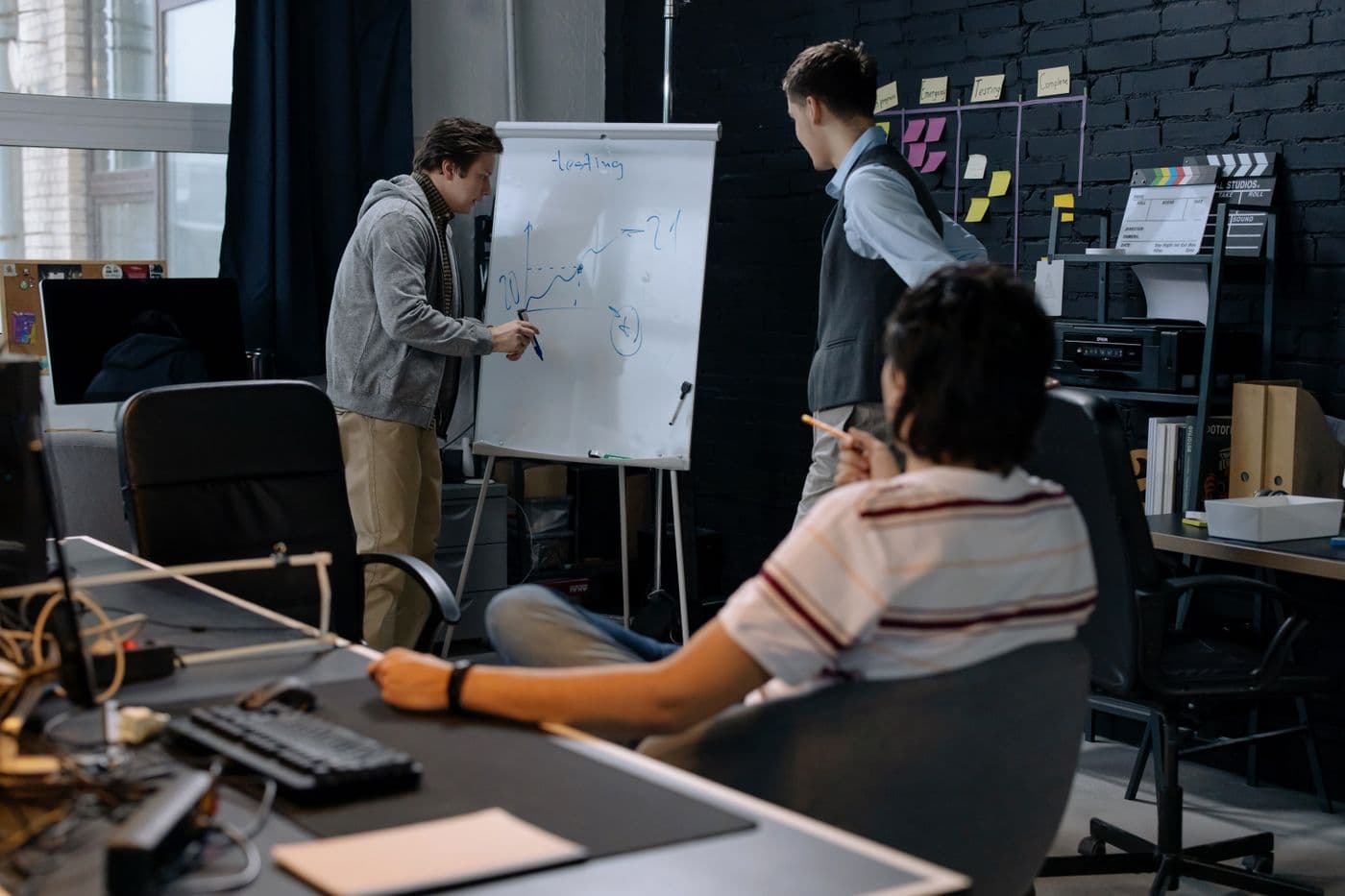
Technical interviews
Give your system design answer a backbone
Turn an open-ended architecture prompt into requirements, a first design, and explicit trade-offs.
Read article
After the interview
Turn a difficult interview into useful practice
Review the questions, identify one gap, and build a focused practice session from what happened.
Read article
Privacy and control
You decide when MOG listens
The controls that make private interview assistance understandable before, during, and after a call.
Read article
Getting started
Before your next interview, get MOG ready
A calm preparation routine for audio, screen sharing, context, and a short practice question.
Read article
Technical interviews
Debug out loud without guessing wildly
Make your reasoning visible through observations, hypotheses, and a small next experiment.
Read article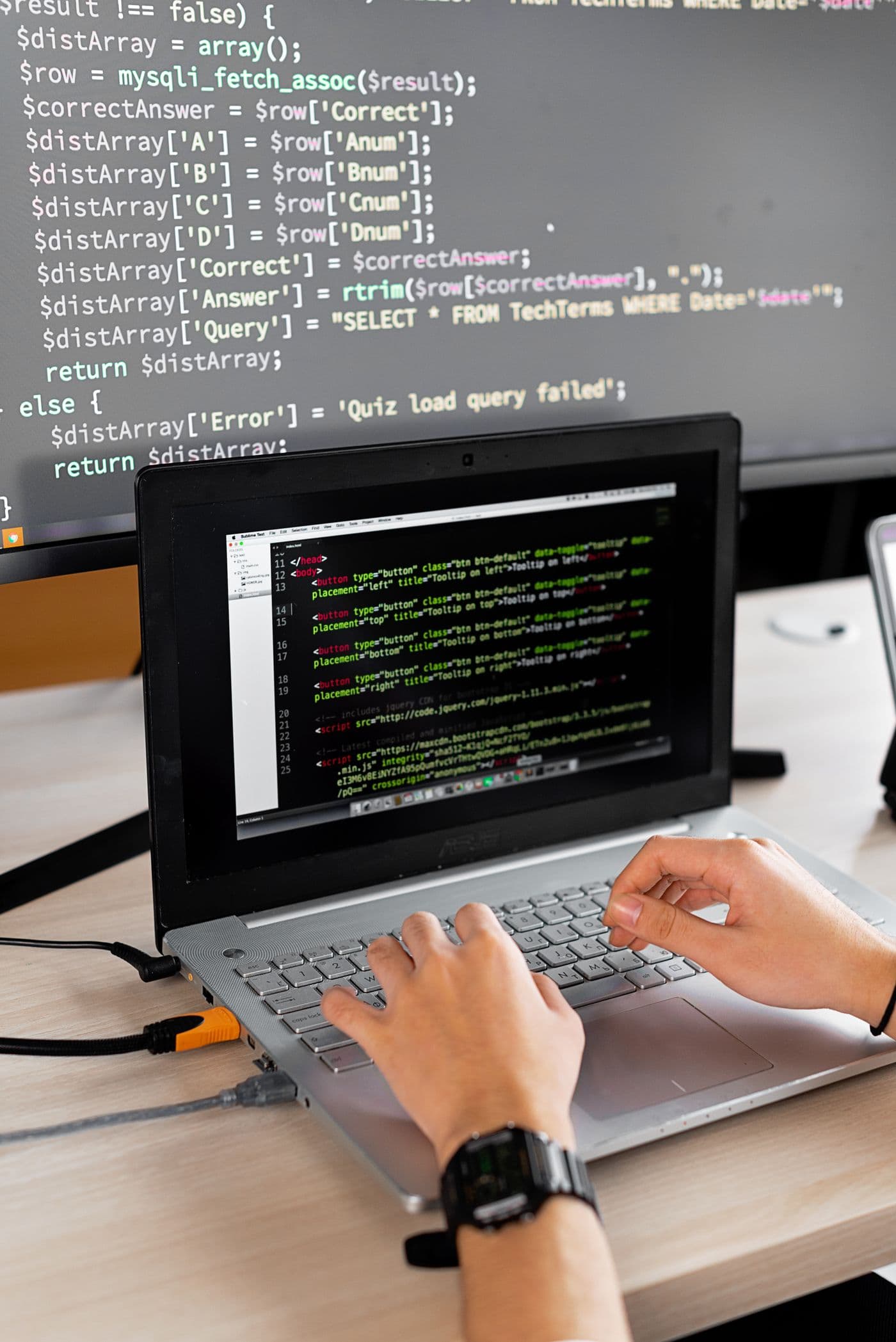
Getting started
Rehearse the screen you plan to share
A practical walkthrough for your editor, meeting window, and private assistance before the call starts.
Read article