
You decide when MOG listens
Real-time assistance should never leave you guessing about its state. Listening, pause, retention, and sharing choices need to remain obvious and close at hand.

Listening should always have a visible state
MOG can remain hidden from the screen you share while still being explicit with you. A visible microphone state tells you when the assistant is following the conversation, and a direct pause control stops that activity immediately.
This distinction matters: private assistance should be discreet to other participants and completely understandable to the person using it.
Listening to this interviewLive context is available
Keep this session in historyRemove after this session
Keep only what remains useful
Interview context can be useful during the call without needing to live forever. Retention controls should let you decide whether a session remains in history or is removed after review.
Treat transcripts, summaries, and generated responses as working material. Review them before storing or sharing anything beyond your workspace.
Listening is temporary. Keeping is a separate choice.
Nothing should leave by accident
MOG is designed around an intentional review step. The assistant can prepare context and organize notes, but sharing should remain an action you choose.
The same principle applies before the interview: check your microphone source, screen-share boundary, and retention preference while there is still time to change them.
More from the MOG journal

Inside MOG
The interviewer sees you, not MOG
How MOG keeps real-time interview assistance outside the screen you share.
Read article
Getting started
Before your next interview, get MOG ready
A calm preparation routine for audio, screen sharing, context, and a short practice question.
Read article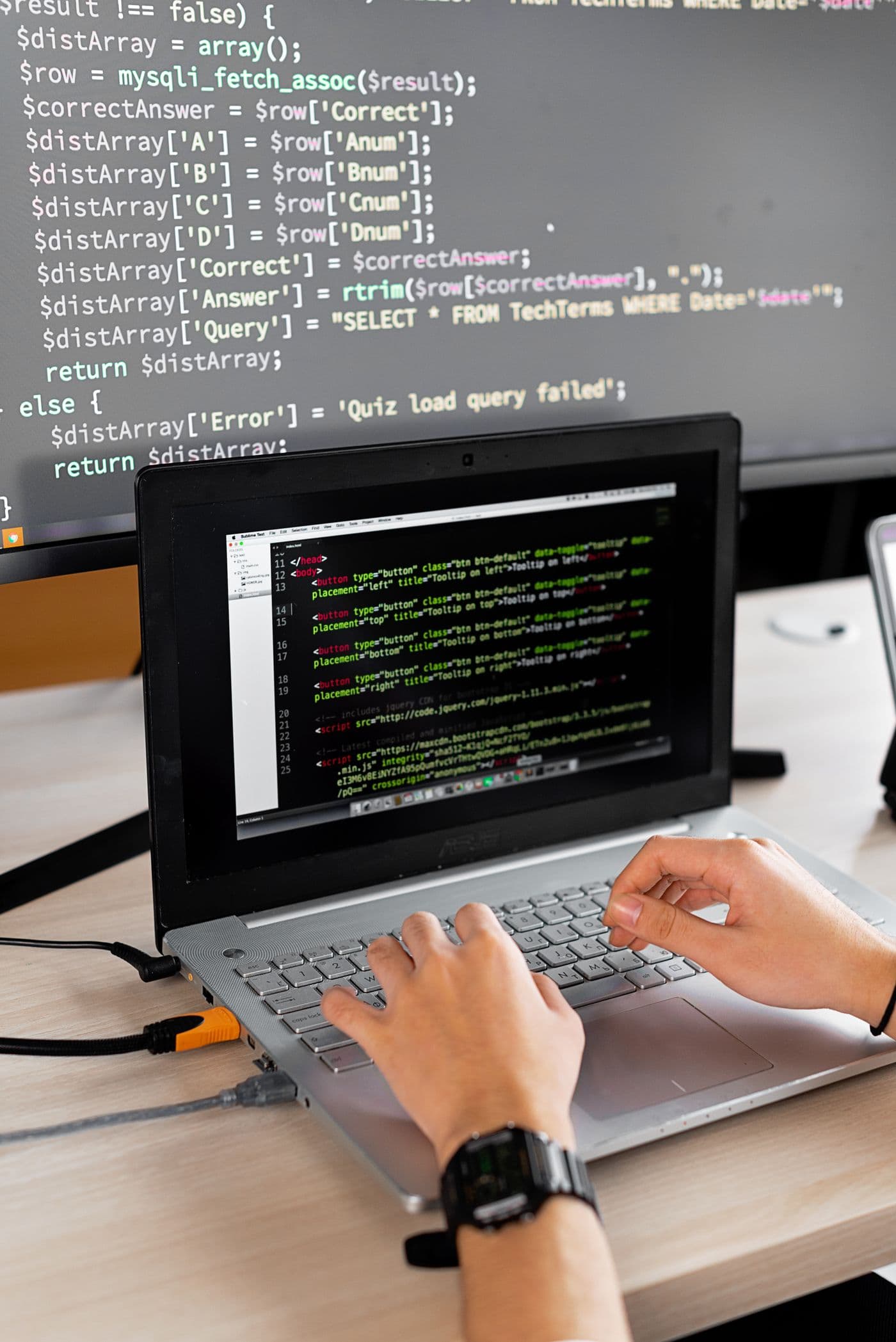
Getting started
Rehearse the screen you plan to share
A practical walkthrough for your editor, meeting window, and private assistance before the call starts.
Read article
After the interview
Turn a difficult interview into useful practice
Review the questions, identify one gap, and build a focused practice session from what happened.
Read article
Interview strategy
When the question takes an unexpected turn
A practical way to recover context, structure your thinking, and answer before the moment passes.
Read article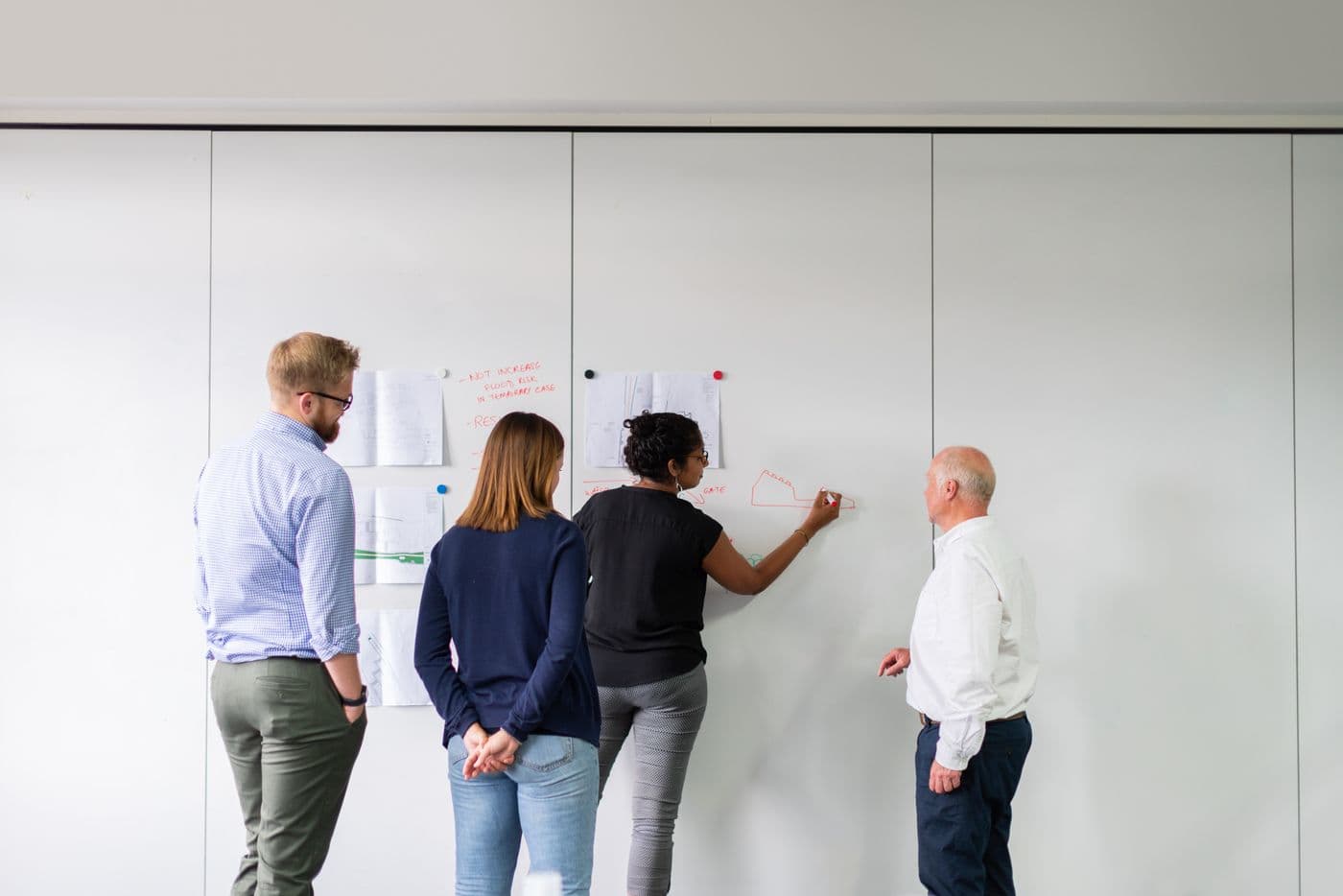
Panel interviews
Keep the thread when the whole panel joins in
Handle changing speakers and layered follow-ups without losing the question you are answering.
Read article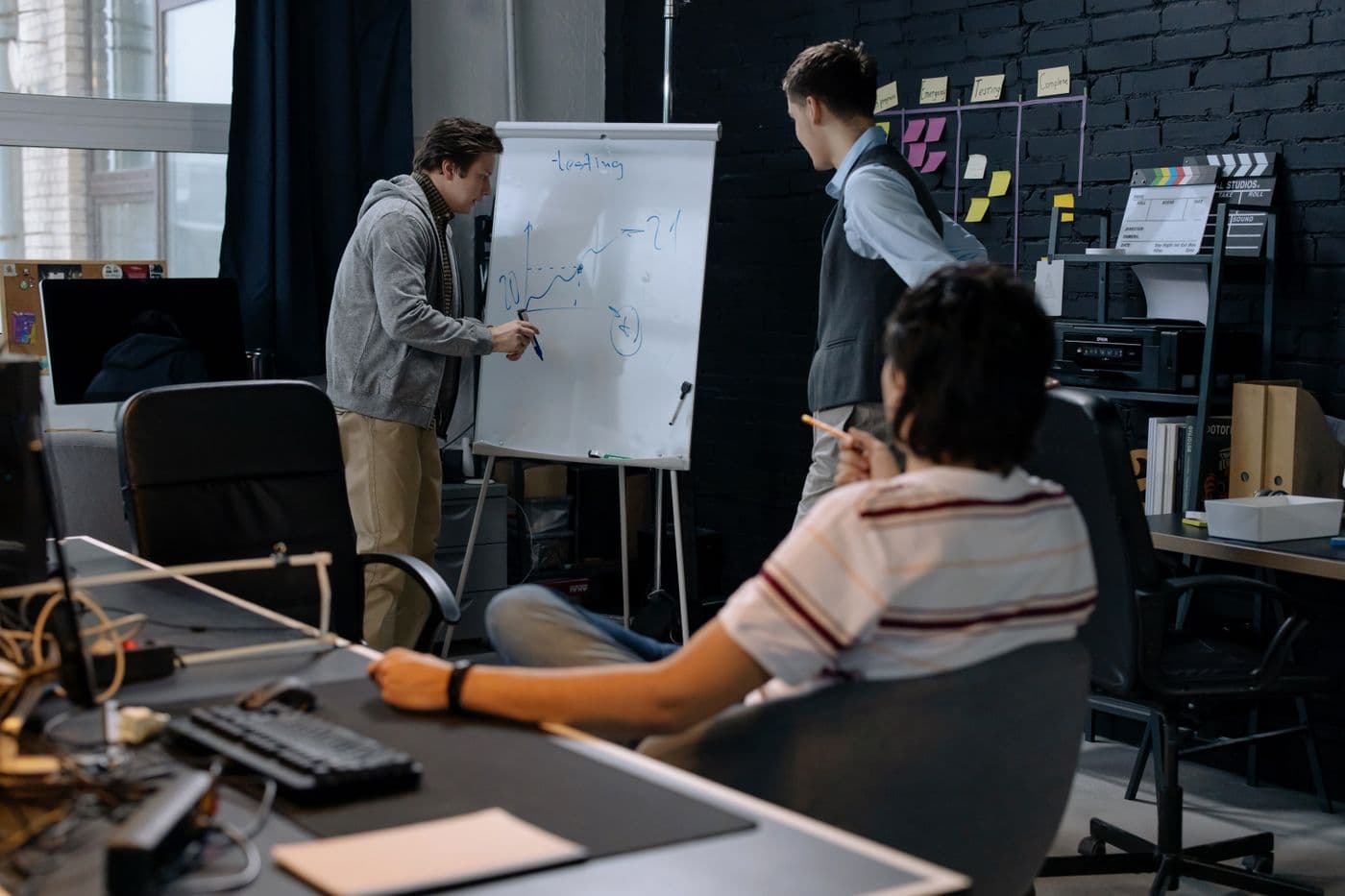
Technical interviews
Give your system design answer a backbone
Turn an open-ended architecture prompt into requirements, a first design, and explicit trade-offs.
Read article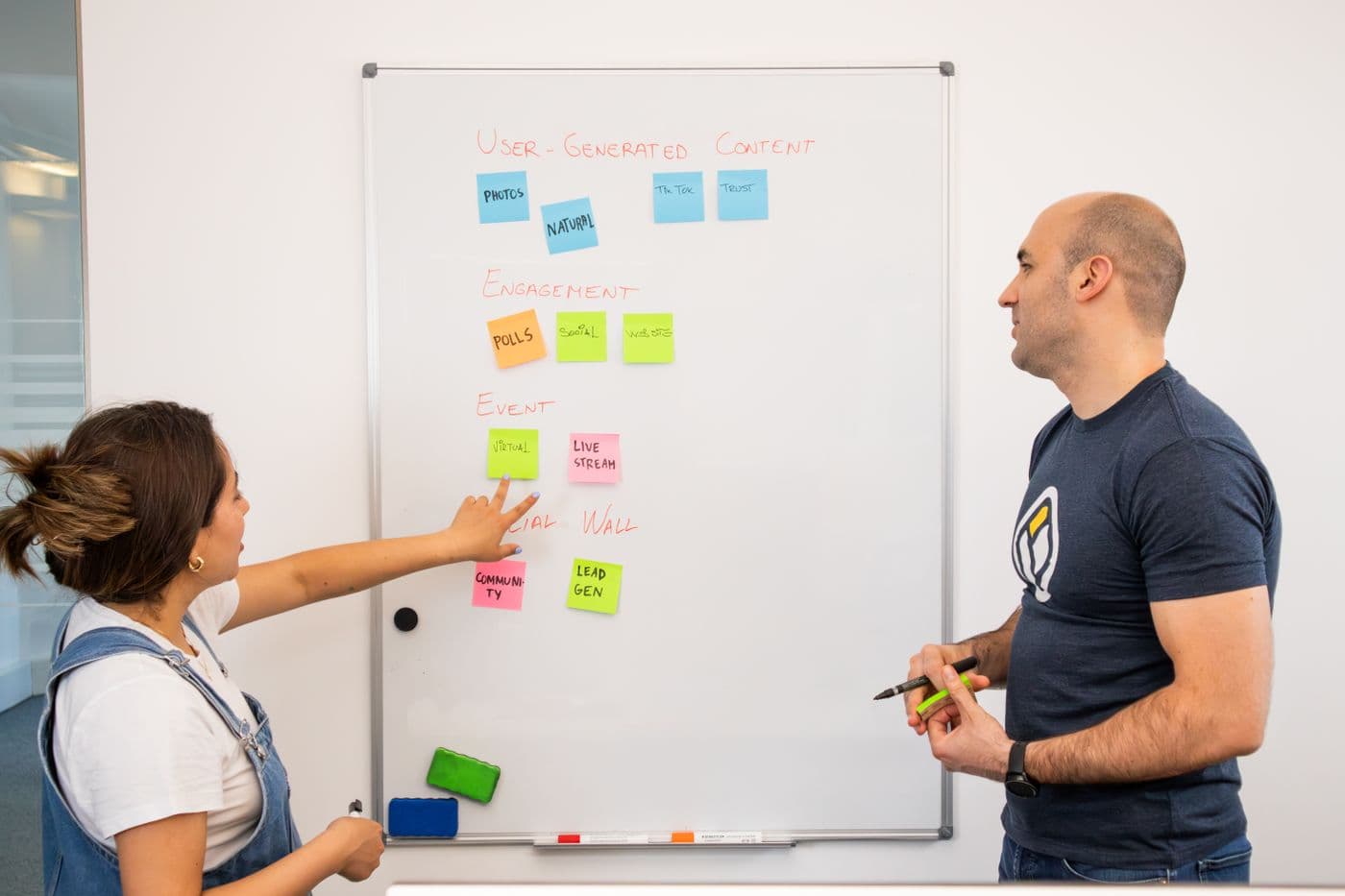
Interview strategy
Tell the project story only you can tell
Explain your contribution with a decision, evidence, and an honest account of the outcome.
Read article
Technical interviews
Debug out loud without guessing wildly
Make your reasoning visible through observations, hypotheses, and a small next experiment.
Read article