
Tell the project story only you can tell
A project answer becomes memorable when the panel understands what you personally changed and why. Specific decisions carry more weight than a list of technologies.
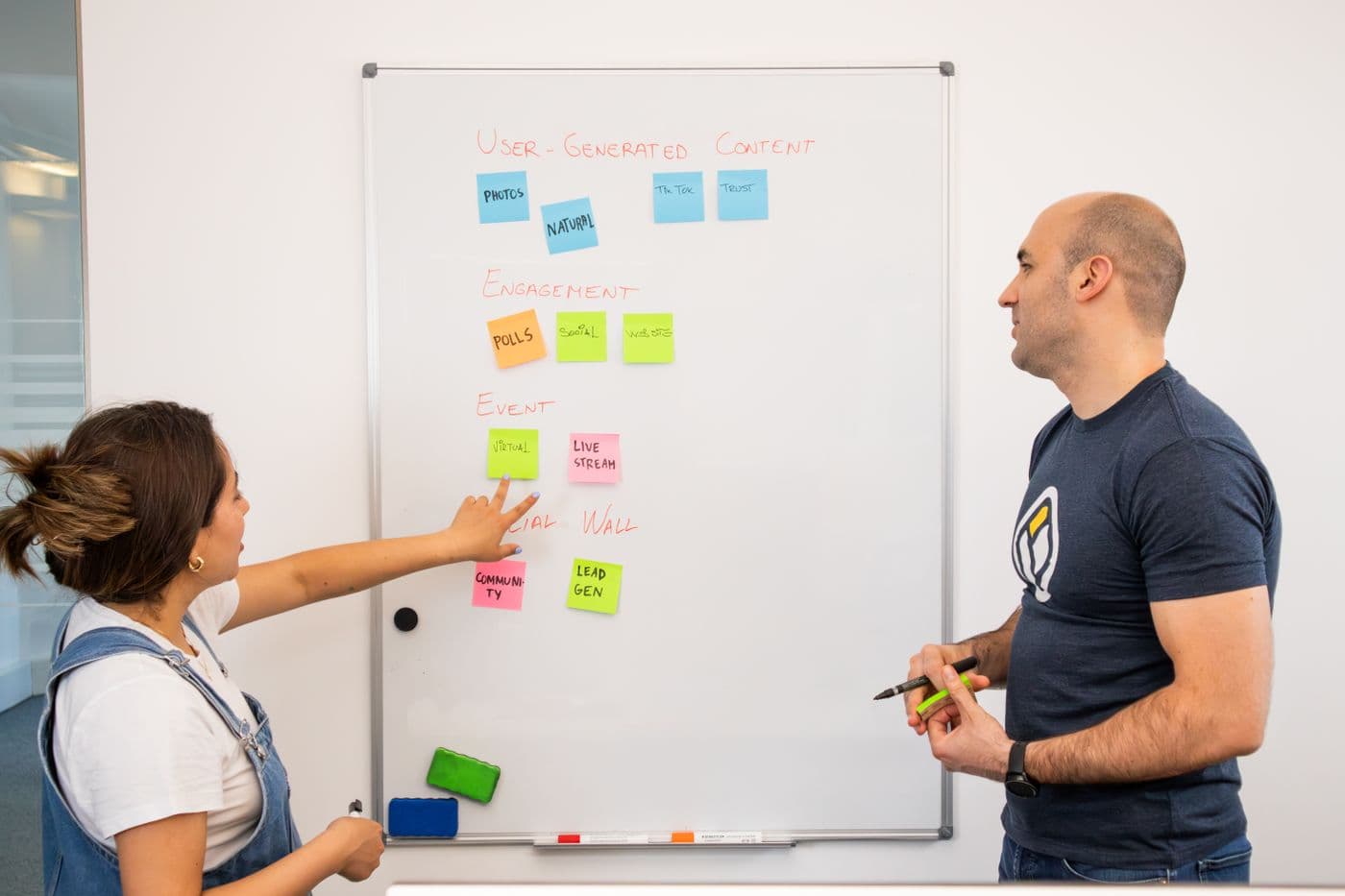
Choose a moment with a real decision
Pick a project where you had to choose between plausible alternatives. Perhaps you reduced scope to meet a deadline, replaced an unreliable dependency, or kept an existing system because migration risk was too high.
Set the scene briefly: who needed the work, what was going wrong, and what responsibility belonged to you. Distinguish your contribution from the team's work without minimizing either.
Use evidence you can explain
If you quote a performance improvement, be ready to explain how it was measured. If you do not have a reliable number, describe an observable result such as fewer manual handoffs or a deployment that no longer needed an engineer on standby.
Keep a few factual notes available before the interview. MOG can help you recall the context, but it cannot supply personal experience you did not have.
A modest result you can defend is stronger than an impressive number you cannot.
Finish with what changed in your thinking
Explain what you would repeat and what you would do differently. A useful lesson names a specific practice: testing the migration earlier, involving support sooner, or making ownership explicit.
Leave room for the next question. A clear two-minute account with a decision at its center gives the interviewer several meaningful directions to explore.
More from the MOG journal

Interview strategy
When the question takes an unexpected turn
A practical way to recover context, structure your thinking, and answer before the moment passes.
Read article
Getting started
Before your next interview, get MOG ready
A calm preparation routine for audio, screen sharing, context, and a short practice question.
Read article
Panel interviews
Keep the thread when the whole panel joins in
Handle changing speakers and layered follow-ups without losing the question you are answering.
Read article
Technical interviews
Debug out loud without guessing wildly
Make your reasoning visible through observations, hypotheses, and a small next experiment.
Read article
After the interview
Turn a difficult interview into useful practice
Review the questions, identify one gap, and build a focused practice session from what happened.
Read article
Technical interviews
Give your system design answer a backbone
Turn an open-ended architecture prompt into requirements, a first design, and explicit trade-offs.
Read article
Getting started
Rehearse the screen you plan to share
A practical walkthrough for your editor, meeting window, and private assistance before the call starts.
Read article
Inside MOG
The interviewer sees you, not MOG
How MOG keeps real-time interview assistance outside the screen you share.
Read article
Privacy and control
You decide when MOG listens
The controls that make private interview assistance understandable before, during, and after a call.
Read article